What Are 5 Jobs You Can Get With Computer Science?
A Computer Science degree can open doors to careers in software development, data science, cybersecurity, artificial intelligence and systems analysis. These professions involve using computing knowledge to develop technology, solve problems, protect digital information and improve how organisations operate.
If you are considering studying Computer Science, understanding the career opportunities available after graduation can help you make a more informed decision.
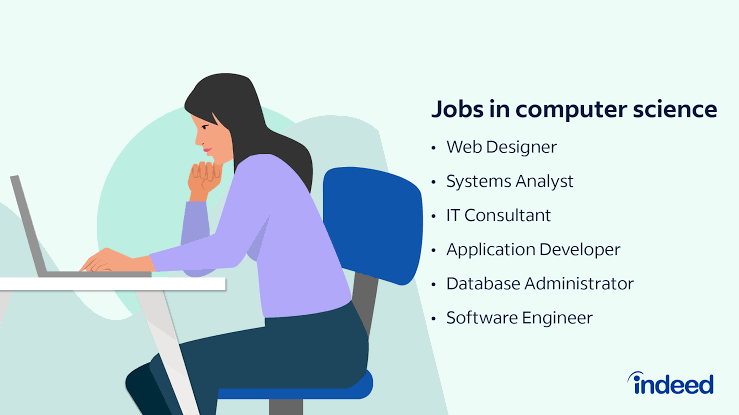
What are 5 jobs you can get with Computer Science? Five common career options are:
- Software Developer
- Data Scientist
- Cybersecurity Analyst
- Artificial Intelligence (AI) Engineer
- Systems Analyst
These careers use Computer Science knowledge in different ways, from creating software applications to analysing information and protecting computer networks. The right option depends on your interests, technical abilities and long-term career goals.
Let’s explore what each profession involves, the skills employers look for and how a Computer Science degree can prepare you for these opportunities.
1. Software Developer
A software developer designs, builds, tests and maintains computer programmes and applications. Software developers create the digital tools people and businesses use every day, including mobile applications, websites, financial systems and business management software.
This is one of the most recognised career paths for Computer Science graduates because the degree provides a foundation in programming, algorithms, databases and software development.
What does a software developer do?
Typical responsibilities include:
- Writing and maintaining computer code.
- Developing websites, applications and software systems.
- Testing programmes to identify errors.
- Improving software performance and security.
- Working with other developers and technical teams.
- Updating applications as business requirements change.
Skills required:
- Programming languages such as Python, Java, JavaScript or C++.
- Software engineering principles.
- Problem-solving and logical thinking.
- Database management.
- Version control and software testing.
Career progression: Software Developer → Senior Developer → Software Architect → Engineering Manager.
People who enjoy building applications, solving technical problems and creating digital products may find this career particularly rewarding.
2. Data Scientist
A data scientist uses programming, statistics and analytical techniques to examine large amounts of information and identify useful patterns.
Businesses collect data from customers, transactions, websites and internal operations. Data scientists help turn this information into insights that support better decisions.
For example, a retail company may use data science to understand customer buying behaviour, while a financial organisation may analyse transaction patterns to identify unusual activity.
What does a data scientist do?
Typical responsibilities include:
- Collecting and analysing datasets.
- Identifying patterns and trends.
- Building statistical and predictive models.
- Preparing data visualisations and reports.
- Using programming tools to automate analysis.
- Communicating findings to business teams.
Skills required:
- Python or R programming.
- Statistics and mathematics.
- SQL and database management.
- Data visualisation.
- Machine learning fundamentals.
- Analytical and critical thinking.
Career progression: Junior Data Analyst → Data Scientist → Senior Data Scientist → Data Science Manager.
Computer Science graduates with additional knowledge of statistics, mathematics and data analysis may be well suited to this career.
3. Cybersecurity Analyst
A cybersecurity analyst helps protect computer systems, networks and sensitive information from digital threats.
As organisations increasingly depend on online services, protecting information has become an important part of business operations. Cybersecurity analysts monitor systems, investigate suspicious activity and help prevent unauthorised access.
A Computer Science degree can provide a foundation in operating systems, networking, programming and computer security.
What does a cybersecurity analyst do?
Typical responsibilities include:
- Monitoring computer networks for suspicious activity.
- Investigating potential security incidents.
- Identifying weaknesses in computer systems.
- Supporting security assessments.
- Implementing protective security measures.
- Helping organisations respond to cyber threats.
Skills required:
- Network security.
- Operating systems.
- Security monitoring tools.
- Basic programming and scripting.
- Risk assessment.
- Knowledge of cybersecurity principles.
Career progression: Junior Security Analyst → Cybersecurity Analyst → Security Engineer → Security Manager.
Some employers also value professional certifications and practical experience. Relevant credentials can include CompTIA Security+, depending on the role and employer requirements.
4. Artificial Intelligence (AI) Engineer
An artificial intelligence engineer develops and implements systems that perform tasks traditionally associated with human intelligence, such as recognising patterns, processing language and making predictions.
AI engineers work with technologies such as machine learning, natural language processing and computer vision.
Their work contributes to applications including virtual assistants, recommendation systems, automated customer support and intelligent business tools.
What does an AI engineer do?
Typical responsibilities include:
- Developing and testing AI models.
- Building machine learning applications.
- Preparing and analysing training data.
- Integrating AI tools into existing software.
- Evaluating model accuracy and performance.
- Improving the reliability of AI systems.
Skills required:
- Python programming.
- Linear algebra and statistics.
- Machine learning.
- Data structures and algorithms.
- Deep learning fundamentals.
- Data preparation and model evaluation.
Career progression: Machine Learning Developer → AI Engineer → Senior AI Engineer → AI Research or Technical Lead.
Computer Science is a relevant academic foundation for this career, although specialist AI positions may require advanced mathematics, postgraduate study or substantial practical experience.
5. Systems Analyst
A systems analyst examines how organisations use technology and identifies ways to improve their computer systems and business processes.
The role involves understanding an organisation’s requirements, assessing existing systems and recommending suitable technical solutions.
For example, a systems analyst might help a company replace an outdated database, improve its customer management software or introduce a more efficient information system.
What does a systems analyst do?
Typical responsibilities include:
- Assessing existing computer systems.
- Gathering requirements from users and departments.
- Identifying technical and operational problems.
- Recommending improvements.
- Working with developers and IT teams.
- Testing new systems before implementation.
Skills required:
- Systems analysis and design.
- Database knowledge.
- Business process analysis.
- Communication and documentation.
- Problem-solving.
- Understanding of software development.
Career progression: Junior Systems Analyst → Systems Analyst → Senior Business or Systems Analyst → IT Consultant or Systems Manager.
This career may suit Computer Science graduates who enjoy combining technical knowledge with business problem-solving and communication.
Comparing the 5 Jobs You Can Get With a Computer Science Degree
Although these careers have different responsibilities, they share several important foundations, including analytical thinking, technical knowledge and the ability to solve problems.
The following comparison summarises their main areas of work.
| Job | Main area of work | Important skills |
|---|---|---|
| Software Developer | Building applications and software | Programming, testing and algorithms |
| Data Scientist | Analysing data and identifying patterns | Statistics, Python and SQL |
| Cybersecurity Analyst | Protecting digital systems | Network security and risk analysis |
| AI Engineer | Developing intelligent systems | Python, mathematics and machine learning |
| Systems Analyst | Improving organisational technology | Systems design and problem-solving |
Which Computer Science career is best? There is no single best career for every graduate. Software development may suit people who enjoy programming, data science may appeal to those interested in statistics and analysis, while cybersecurity is relevant to people who enjoy protecting digital systems. AI engineering and systems analysis offer other pathways depending on technical interests and professional goals.
What Skills Do You Need for a Career in Computer Science?
A Computer Science degree provides a foundation in programming, algorithms, computing systems and problem-solving. These skills can support careers across the technology industry, although different professions require additional areas of expertise.
Academic knowledge is important, but employers also look for people who can apply what they have learned to practical situations.
Some valuable skills include:
1. Programming
Understanding programming languages such as Python, Java, JavaScript and C++ can support careers in software development, data science and artificial intelligence.
2. Problem-solving
Computer Science professionals regularly investigate technical problems and develop solutions. The ability to break complex problems into manageable steps is particularly valuable.
3. Analytical thinking
The ability to interpret information, recognise patterns and evaluate different solutions is important in many technology roles.
4. Communication
Technology professionals often work with colleagues who may not have technical backgrounds. Explaining complex ideas clearly is therefore valuable.
5. Continuous learning
Programming languages, software tools and technology systems change over time. Keeping technical knowledge up to date can improve long-term career development.
Practical projects, internships, professional training and relevant certifications can help graduates demonstrate these abilities to employers.
Explore Your Degree Options
Still deciding which academic path is right for you? Explore our Bachelor’s Degree Guide to learn about undergraduate study options, entry requirements, programme structures and how to choose a degree that supports your future career goals.
Do You Need a Computer Science Degree to Work in Technology?
Not every technology job requires a Computer Science degree. Some employers accept qualifications in Information Technology, Software Engineering, Data Science or related subjects.
Others may consider applicants with relevant professional experience, recognised certifications and strong practical portfolios.
A Computer Science degree can provide a structured foundation in programming, algorithms, computing systems and problem-solving. This knowledge can be useful when applying for technical positions or progressing into specialist areas.
However, a degree does not guarantee employment. Combining a recognised qualification with practical projects, relevant experience and specialist skills can improve career opportunities.
The exact educational requirements depend on the occupation, employer and country.
Is Computer Science a Good Degree for Future Careers?
Computer Science can be a valuable degree for students interested in technology because computing skills are used across many industries.
Healthcare, finance, education, manufacturing, retail and government organisations all depend on digital systems and software.
Developments in artificial intelligence, cloud computing, cybersecurity and data analytics are also creating new technical challenges and specialist career opportunities.
However, studying Computer Science does not guarantee employment or a particular salary. Career outcomes depend on the quality and recognition of the qualification, practical experience, technical skills, location and employer requirements. What Are 5 Jobs You Can Get With Computer Science?
Students should therefore look beyond the degree title and consider the curriculum, available specialisations, practical training and professional opportunities offered by each institution.
Frequently Asked Questions About Computer Science Careers
1. What are 5 jobs you can get with Computer Science?
Five common jobs you can get with a Computer Science degree are software developer, data scientist, cybersecurity analyst, artificial intelligence engineer and systems analyst. These careers involve developing software, analysing information, protecting computer systems and creating technology solutions.
2. Can you get a job immediately after a Computer Science degree?
Some graduates secure entry-level positions after completing their degree, while others gain additional experience through internships, personal projects or professional training. Employment opportunities depend on the graduate’s skills, qualifications and the requirements of employers.
3. Is Computer Science only about programming?
No. Programming is an important part of Computer Science, but the subject also covers algorithms, computer architecture, operating systems, databases, artificial intelligence, cybersecurity and computational theory.
4. Which Computer Science job pays the most?
There is no single highest-paying Computer Science career in every country or industry. Experienced AI engineers, software architects, specialist cybersecurity professionals and senior software engineers can earn competitive salaries. Earnings depend on experience, location, specialisation and employer.
5. Can I work in artificial intelligence with a Computer Science degree?
Yes. Computer Science provides relevant foundations in programming, algorithms and computing. However, AI engineering roles often require additional knowledge of mathematics, statistics and machine learning.
6. Is Computer Science better than Information Technology?
Neither subject is universally better. Computer Science generally focuses more on programming, algorithms and software development, while Information Technology focuses more on managing and maintaining technology systems. The better option depends on your career interests.
7. Can a Computer Science graduate work in cybersecurity?
Yes. Computer Science graduates can pursue cybersecurity careers, particularly after developing additional skills in network security, operating systems, threat detection and security assessment.
8. What skills are important for Computer Science graduates?
Important skills include programming, analytical thinking, problem-solving, database knowledge, communication and the ability to learn new technologies. The specific technical skills required depend on the career path.
Final Thoughts
A Computer Science degree can lead to several professional opportunities, particularly for people interested in developing technology and solving complex problems.
Software development, data science, cybersecurity, artificial intelligence and systems analysis are five examples of careers that use Computer Science knowledge.
The best career choice depends on your interests and the skills you want to develop. Before selecting a university programme, compare its modules, entry requirements, accreditation or recognition, practical learning opportunities and available specialisations.
With a recognised qualification, relevant experience and a commitment to continuous learning, Computer Science can provide a strong foundation for a career in the technology industry.